
National Museum of Folk Architecture and Folkways of Ukraine 'Pyrohiv'
133 hectares of living history under open sky - authentic museum village
About This Site
The National Museum of Folk Architecture and Folkways of Ukraine 'Pyrohiv' is a unique 133.5-hectare open-air museum with over 300 folk architecture monuments and 70,000 artifacts representing all historical-ethnographic regions of Ukraine.
The National Museum of Folk Architecture and Folkways of Ukraine 'Pyrohiv' is one of the largest open-air museums in Europe. Located on the southern outskirts of Kyiv covering 133.5 hectares, the museum represents a unique architectural and landscape complex recreating Ukrainian village life from ancient times to the early 20th century. The museum was founded in 1969 on the initiative of renowned Ukrainian historian and public figure Petro Tymofiyovych Tronko. He personally chose the location for the museum and secured the land allocation. The first visitors came to the museum in 1976. The museum territory is divided into sectors, each representing a separate historical-ethnographic region of Ukraine: Middle Dnieper, Slobozhanshchyna, Polissia, Podillia, Carpathians, and Southern Ukraine. In each sector, authentic buildings transported from corresponding regions and carefully restored are located: houses, farm buildings, wooden churches, windmills, mills. The museum's collection includes over 300 folk architecture monuments and about 70,000 household items and traditional culture objects: costumes, old textiles, embroidery, carpets, ceramics, metal, wood and glass products, musical instruments, paintings and household utensils. The museum's centerpiece is an ensemble of authentic windmills on a hill - Pyrohiv's calling card. The oldest building is the Naddniprianska Church, built in 1742. The museum regularly hosts theatrical performances, celebrations of folk holidays, craft fairs where masters demonstrate ancient techniques: weaving, blacksmithing, pottery.
Historical Significance
The history of Pyrohiv village dates back to 1627, when the settlement was first mentioned as a feudal estate of the Kyiv-Pechersk Lavra. Archaeological research confirms the territory was inhabited since the Bronze Age. In 1720 records, the village is mentioned as Pyrozhov. In 1957, Pyrohiv territory was included within Kyiv's administrative boundaries. On February 6, 1969, the Council of Ministers of the Ukrainian SSR adopted resolution No. 105 'On the establishment of the State Museum of Folk Architecture and Life of the Ukrainian SSR'. The museum's founder was Deputy Chairman of the Council of Ministers of the Ukrainian SSR Petro Tymofiyovych Tronko, who headed the Ukrainian Society for the Protection of Historical and Cultural Monuments. The museum was opened to visitors in 1976. On July 5, 2004, the museum was transferred to the National Academy of Sciences of Ukraine. By decree of President Viktor Yushchenko No. 644/2008, the museum received National status.
The Pyrohiv Museum has exceptional significance for preserving Ukrainian cultural heritage. It is the only museum of this scale in Ukraine that preserves authentic folk architecture from all regions of the country. Over 300 buildings were saved from destruction and transferred to the museum, where they received a second life. The museum is an important research center that is part of the Institute of Arts, Folklore and Ethnology of the National Academy of Sciences of Ukraine. Research on traditional architecture, lifestyle, crafts, and rituals is conducted here. A special feature of the museum is that it doesn't just exhibit buildings and objects, but recreates the living atmosphere of a Ukrainian village. Staff and volunteers dress in national costumes, demonstrate ancient crafts, hold folk holidays. The museum is a popular place for cultural tourism, educational excursions, photo sessions in traditional costumes, and folk holiday celebrations.
Highlights
- ✓133.5 hectares of open-air museum
- ✓Over 300 authentic folk architecture buildings
- ✓70,000 traditional life artifacts
- ✓All historical-ethnographic regions of Ukraine
- ✓Ensemble of 18th-19th century windmills
- ✓Oldest church from 1742
- ✓Live folk craft demonstrations
- ✓Theatrical folk holiday celebrations
- ✓Folklore festivals and fairs
- ✓Authentic house interiors
Photo Gallery


Plan Your Visit
Opening Hours
Open year-round
Year-round
Daily: 10:00 - 17:00
Admission
Children under 7 - free. Photo/video included in ticket price. Group discounts from 10 people
Contact
Getting There
🚗 By Car
From Kyiv city center - 20-30 minutes via Nauky Avenue. Parking near museum entrance
🚌 Public Transport
From metro station 'Demiivska' - trolleybus №11. From metro stations 'Demiivska' or 'Holosiivska' - minibuses №172, №156
🅿️ Parking
Free parking on museum territory
Facilities
Similar Heritage Sites
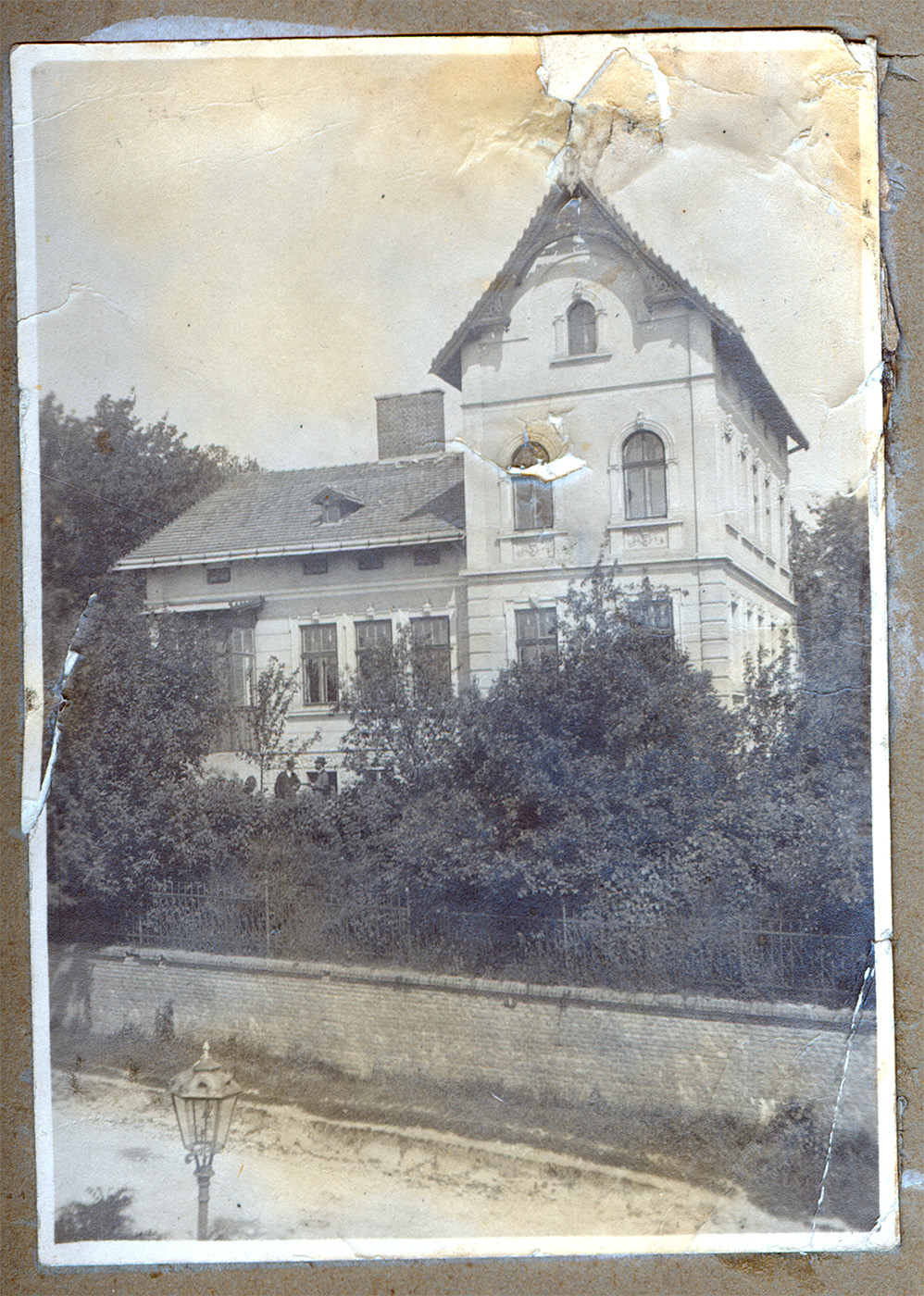
Ivan Franko Museum in Lviv (Franko House)
Authentic homestead where the great Ukrainian writer Ivan Franko lived and worked
Learn More →
Bohdan and Varvara Khanenko National Museum of Arts
Ukraine's largest collection of European, Asian and Ancient art
Learn More →
Lviv National Opera Theatre
Neo-Renaissance masterpiece and one of Europe's most beautiful opera houses
Learn More →