
Black Sea Biosphere Reserve
Unique coastal wetland with the largest waterfowl population in the Northern Black Sea region
About This Site
Black Sea Biosphere Reserve is one of Ukraine's most valuable protected areas, located in the Black Sea coastal zone. The reserve encompasses unique wetlands, including Tendra Bay and Yahorlyk Bay, and is home to hundreds of waterfowl species.
Black Sea Biosphere Reserve was established in 1984 based on the Black Sea State Reserve (founded in 1927) and covers an area of over 89,000 hectares in Kherson and Mykolaiv Oblasts. It is one of Ukraine's largest protected areas in the Black Sea coastal zone. The reserve includes several separated sections: 1. **Tendra Bay** — a long sandy peninsula separating a shallow bay from the sea. Unique ecosystem of salt marshes, sand dunes, and coastal waters. 2. **Yahorlyk Bay** — a shallow bay with rich avifauna. One of the most important stopover points for migratory birds on the African-European migration route. 3. **Islands of Potiivsky and Tendriv sky protected areas** — numerous small islands that are nesting sites for colonial birds. 4. **Solonoozerna section** — a system of salt lakes and steppe sections on the left bank of the Dnipro. In December 1984, the reserve was included in the UNESCO World Network of Biosphere Reserves. The reserve's territory is also included in the international list of Wetlands of International Importance (Ramsar Convention). The reserve is characterized by exceptional biodiversity. Fauna includes about 3,500 species, among which insects are the most diverse (over 2,200 species), arachnids (168 species), and mollusks (65 species). Vertebrates are represented by 462 species, including 304 bird species, which is about 70% of all bird species recorded in Ukraine. Among the most valuable species: Dalmatian and great white pelicans, glossy ibis, spoonbill, purple heron, mute swan, white-tailed eagle, and many others. In spring and autumn, hundreds of thousands of waterfowl stop here during migration. Marine fauna is represented by 83 fish species, which is about 50% of the Black Sea fish fauna composition. Three dolphin species occur in the reserve's marine waters: bottlenose dolphin, harbor porpoise, and short-beaked common dolphin. Flora includes over 800 species of vascular plants, many of which are adapted to saline soils.
Historical Significance
The history of conservation activities in this territory began on July 14, 1927, when Resolution No. 172 of the Council of People's Commissars of the Ukrainian SSR established the Black Sea State Reserve as part of the Trans-Maritime Reserve. In 1933, the reserve became an independent research institution. In 1973, the Danube floodplains, Kinski islands in Yahorlyk Bay, and the shallow part of Tendra Bay were added to the Black Sea Reserve. The following year, the neighboring Yahorlyk Reserve was annexed. In 1981, the Danube floodplains became a separate reserve (now the Danube Biosphere Reserve). In 1983, the Black Sea Biosphere Reserve was established, comprising the Black Sea State Reserve and the Yahorlyk State Ornithological Reserve (as its buffer zone). In December 1984, the reserve was accepted into the UNESCO World Network of Biosphere Reserves, confirming its international importance for biodiversity conservation. In March 2022, during the Russian invasion of Ukraine, the reserve was damaged by fighting, which caused several fires in the area. Despite this, scientific and conservation work continues.
Black Sea Biosphere Reserve is of exceptional importance for preserving wetland ecosystems of the Northern Black Sea region. It is one of the key territories on the African-European bird migration route, where millions of waterfowl stop and nest annually. The reserve plays a critical role in preserving populations of rare and endangered bird species, including species listed in the Red Book of Ukraine and international red lists. Over 40 bird species nesting in the reserve have conservation status. As a UNESCO biosphere reserve, it serves as a reference territory for monitoring changes in Black Sea coastal and marine ecosystems. Scientific research conducted here is important for understanding ecological processes in wetlands and developing conservation strategies. The reserve is also an important center for environmental education, conducting numerous educational programs for schoolchildren and students.
Highlights
- ✓UNESCO Biosphere Reserve (since 1984)
- ✓Ramsar Wetland of International Importance
- ✓304 bird species (70% of Ukraine's birds)
- ✓Largest pelican colony in the region
- ✓Key point on African-European migration route
- ✓89,000 hectares of wetlands
- ✓3 dolphin species in marine waters
- ✓83 fish species
- ✓Over 40 protected bird species
Photo Gallery


Plan Your Visit
Opening Hours
Limited visiting due to martial law
April - October
By prior arrangement: 09:00 - 17:00
Admission
Visits only with reserve staff accompaniment
Contact
Getting There
🚗 By Car
From Kyiv — 610 km via Dnipro and Kakhovka. From Kherson — 90 km
🚌 Public Transport
Bus from Kherson or Mykolaiv to Hola Prystan town
🅿️ Parking
Parking near reserve administration
Facilities
Similar Heritage Sites

Askania-Nova Biosphere Reserve
Europe's oldest and largest steppe reserve with unique zoo and arboretum
Learn More →
Shatsk National Nature Park
Ukraine's deepest lake and one of Europe's largest lake groups
Learn More →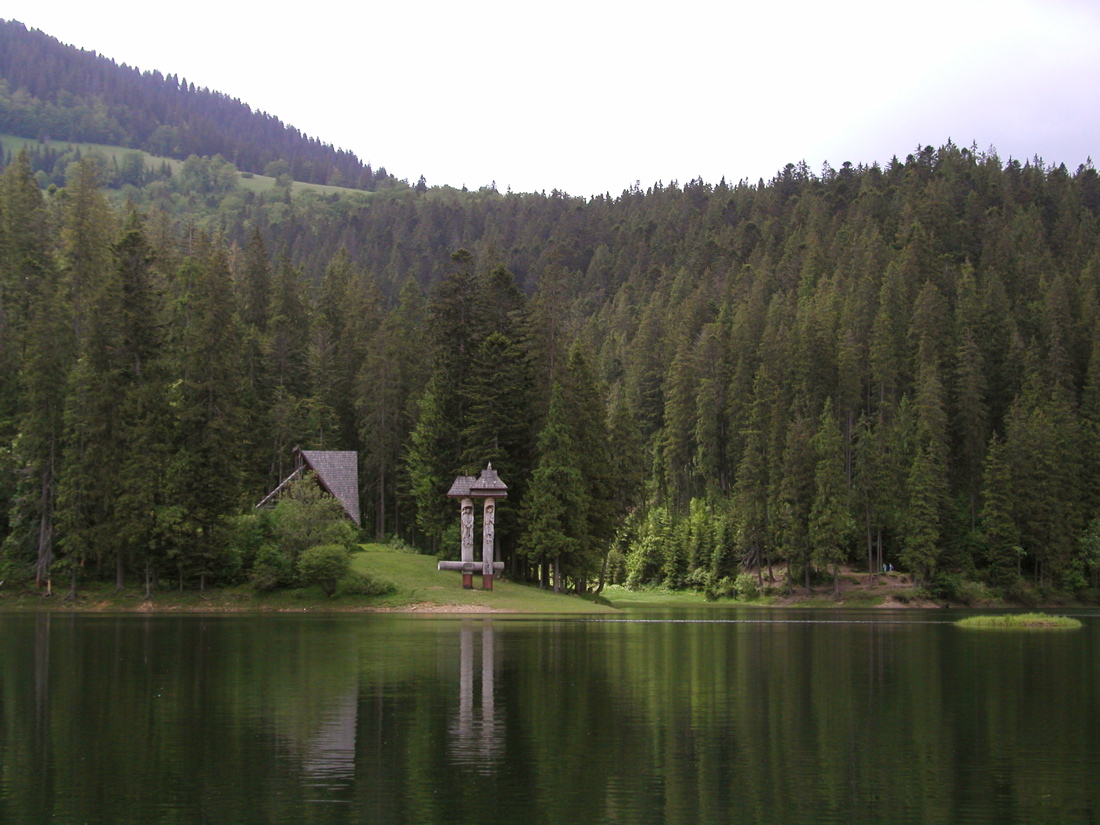
Synevyr National Nature Park
Home to Ukraine's largest mountain lake and UNESCO beech primeval forests
Learn More →