
Danube Biosphere Reserve
Ukrainian part of the Danube Delta — unique wetland ecosystem of European importance
About This Site
Danube Biosphere Reserve is a unique protected area in the extreme southwest of Ukraine, encompassing the Ukrainian part of the Danube Delta. The reserve is Ukraine's most important wetland territory and one of Europe's largest wetlands.
Danube Biosphere Reserve was established on August 10, 1998, by Presidential Decree of Ukraine No. 861/98 based on the 'Danube Floodplains' reserve (14,851 ha, existing since 1981). The total area of the reserve is 50,252.9 hectares in Izmail and Bilhorod-Dnistrovskyi districts of Odesa Oblast. The administrative center is located in Vilkovo city. Danube Biosphere Reserve encompasses the Ukrainian part of the Danube Delta, which is the second-largest river delta in Europe after the Volga. The total area of the Danube Delta is 5,640 km², of which 1,200 km² are on the Ukrainian side, and 50,252.9 ha constitute the reserve's coastal zone. The reserve includes several main territories: 1. **Secondary Delta** — system of channels, branches and lakes of the Kiliya mouth of the Danube with unique aquatic and wetland vegetation. 2. **Stentsivsko-Zhebriyanivski Marshes** — valuable natural wetland system with rich avifauna. 3. **Yermakov Island** — one of the largest islands in the Ukrainian Danube Delta (area 2,333.7 ha), flooded annually by spring floods. 4. **Zhebriyansky Ridge** — ancient coastal ridge, sandy strip 11.5 km long with unique psammophytic and steppe vegetation. 5. **Lake Sasyk** — large freshwater lake covering about 210 km² (upper part 3,450 ha within the reserve). 6. **Dzhantseiskyi Estuary** — part of Tuzlovski estuaries (450 ha within the reserve). In 1998, Danube Biosphere Reserve was included in the UNESCO World Network of Biosphere Reserves. In 2004, Lake Sasyk was included in the list of Wetlands of International Importance (Ramsar Convention). The reserve's flora is extremely diverse, numbering over 1,500 species of vascular plants. About 30 plant species are listed in the Red Book of Ukraine, including salvinia natans, water chestnut, dwarf cattail, saw sedge, and others. The reserve's avifauna is one of the richest in Ukraine. Throughout the year, over 250 bird species can be observed here, representing about 90% of the entire Danube Delta's avifauna. Eleven Red Book bird species nest in the reserve, including Dalmatian and great white pelicans, spoonbill, purple heron, and white-tailed eagle. The Danube Delta is an important stopover on the African-European migration route. Hundreds of thousands of waterfowl stop here annually. On the 'New Land' section, about 10,000 pairs of nesting birds are counted in some years. Ichthyofauna is extremely rich — 91 fish species are registered in the reserve's waters. Among them are valuable commercial species: Danube herring, carp, catfish, as well as rare species: Atlantic sturgeon, beluga, Danube salmon. Among mammals, the protected area includes otter, European mink, wild forest cat, and in adjacent waters — bottlenose dolphin, harbor porpoise, and short-beaked common dolphin. The reserve conducts active work on restoring degraded ecosystems. In 2010, the natural hydrological regime of Yermakov Island was restored, leading to the return of many bird and fish species.
Historical Significance
The history of conservation activities in the Danube Delta began in 1973 when the Danube floodplains were added to the Black Sea Reserve as its branch. In 1981, the branch 'Danube Floodplains' was separated into an independent nature reserve with an area of 14,851 ha. On August 10, 1998, Presidential Decree of Ukraine No. 861/98 established the Danube Biosphere Reserve based on the 'Danube Floodplains' reserve with an area of 46,402.9 ha. On February 2, 2004, Presidential Decree No. 117/2004 expanded the reserve's territory to 50,252.9 ha. An important milestone was the reserve's inclusion in the UNESCO World Network of Biosphere Reserves in 1998. In 2004, Lake Sasyk was included in the list of Wetlands of International Importance under the Ramsar Convention. In 2008, a Memorandum of Understanding was signed between Izmail district administration, Danube Biosphere Reserve, LLC 'Ekofortpost', WWF Danube-Carpathian Programme, and Odesa center of YugNIRO regarding restoration of Stentsivsko-Zhebriyanivski Marshes. Work on clearing main channels and fish stocking gave positive results. In 2009-2010, with WWF support, a unique project to restore the natural hydrological regime of Yermakov Island was implemented. After decades of drainage and cattle grazing, the island again began to be flooded by spring Danube floods, leading to natural ecosystem restoration.
Danube Biosphere Reserve is of exceptional importance for preserving wetland ecosystems of European level. The Danube Delta is the second-largest river delta in Europe and one of the continent's most productive wetland ecosystems. The reserve plays a critical role in maintaining Black Sea region biodiversity. Annually, the Danube brings 200,000 tons of freshwater plankton and other freshwater organisms to the Black Sea, providing nutrition for the marine ecosystem. The Danube Delta is a key stopover on the African-European waterfowl migration route. More than 90% of the delta's avifauna are represented in the reserve, including over 50 rare bird species. The reserve is an important center for scientific research on wetland ecosystems, hydrological processes, and biodiversity conservation. Research conducted here has international significance for understanding delta system dynamics and developing conservation strategies. Ecosystem restoration projects (Yermakov Island, Stentsivsko-Zhebriyanivski Marshes) are examples of successful ecological restoration at the international level.
Highlights
- ✓UNESCO Biosphere Reserve (since 1998)
- ✓Ukrainian part of Europe's second-largest delta
- ✓Ramsar Wetland of International Importance
- ✓Over 250 bird species (90% of Danube Delta avifauna)
- ✓91 fish species
- ✓1,500+ vascular plant species
- ✓Key stopover on Africa-Europe migration route
- ✓Restored ecosystem of Yermakov Island
- ✓Unique lotus fields
- ✓Vilkovo city — Ukrainian Venice
Photo Gallery


Plan Your Visit
Opening Hours
Open year-round
April - October
Daily: 08:00 - 18:00
November - March
By prior arrangement: 09:00 - 17:00
Admission
Water excursions are paid separately
Contact
Getting There
🚗 By Car
From Kyiv — 720 km via Odesa and Izmail (about 10 hours). From Odesa — 230 km (about 3.5 hours)
🚌 Public Transport
Bus from Odesa or Izmail to Vilkovo city
🅿️ Parking
Parking in Vilkovo city near piers
Facilities
Similar Heritage Sites

Askania-Nova Biosphere Reserve
Europe's oldest and largest steppe reserve with unique zoo and arboretum
Learn More →
Shatsk National Nature Park
Ukraine's deepest lake and one of Europe's largest lake groups
Learn More →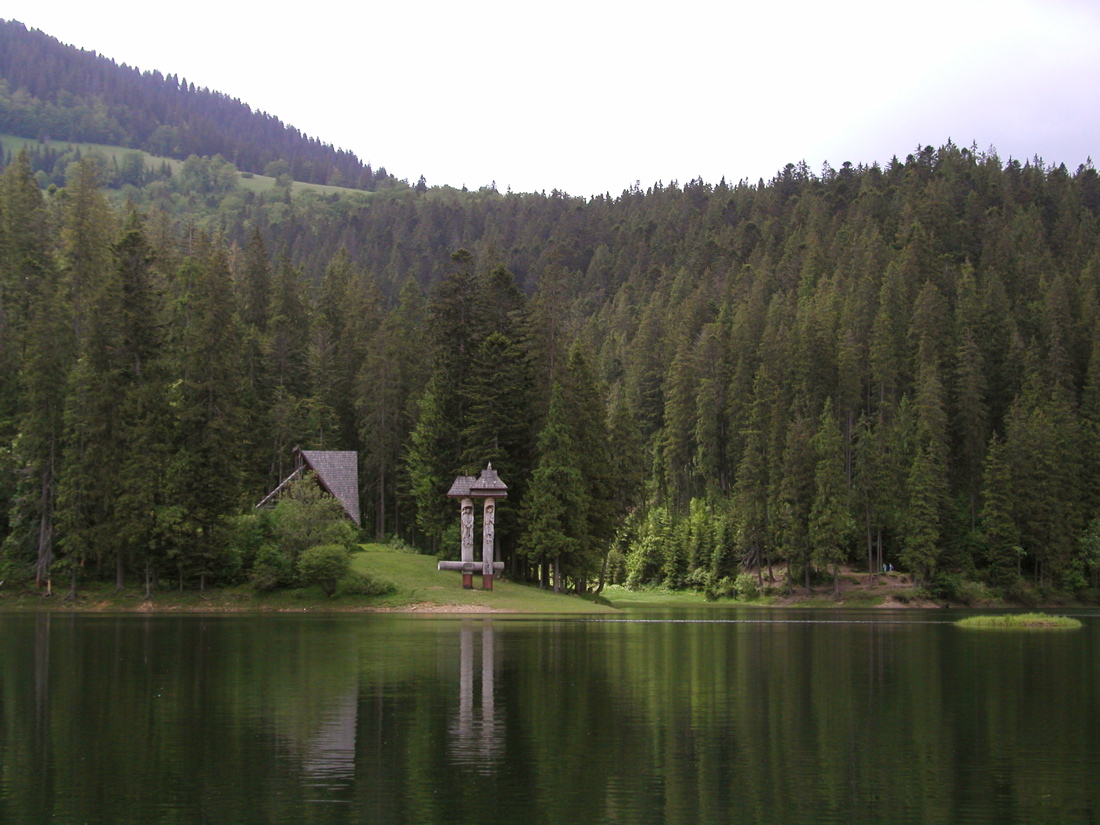
Synevyr National Nature Park
Home to Ukraine's largest mountain lake and UNESCO beech primeval forests
Learn More →