Uzhansky National Nature Park
Meteorite traces, thousand-year-old oaks and UNESCO beech primeval forests at the border of three countries
About This Site
Uzhansky National Nature Park is a protected area in Zakarpattia Oblast on the border with Poland and Slovakia. Famous for UNESCO beech primeval forests, thousand-year-old oaks, meteorite impact site, and World War II fortifications.
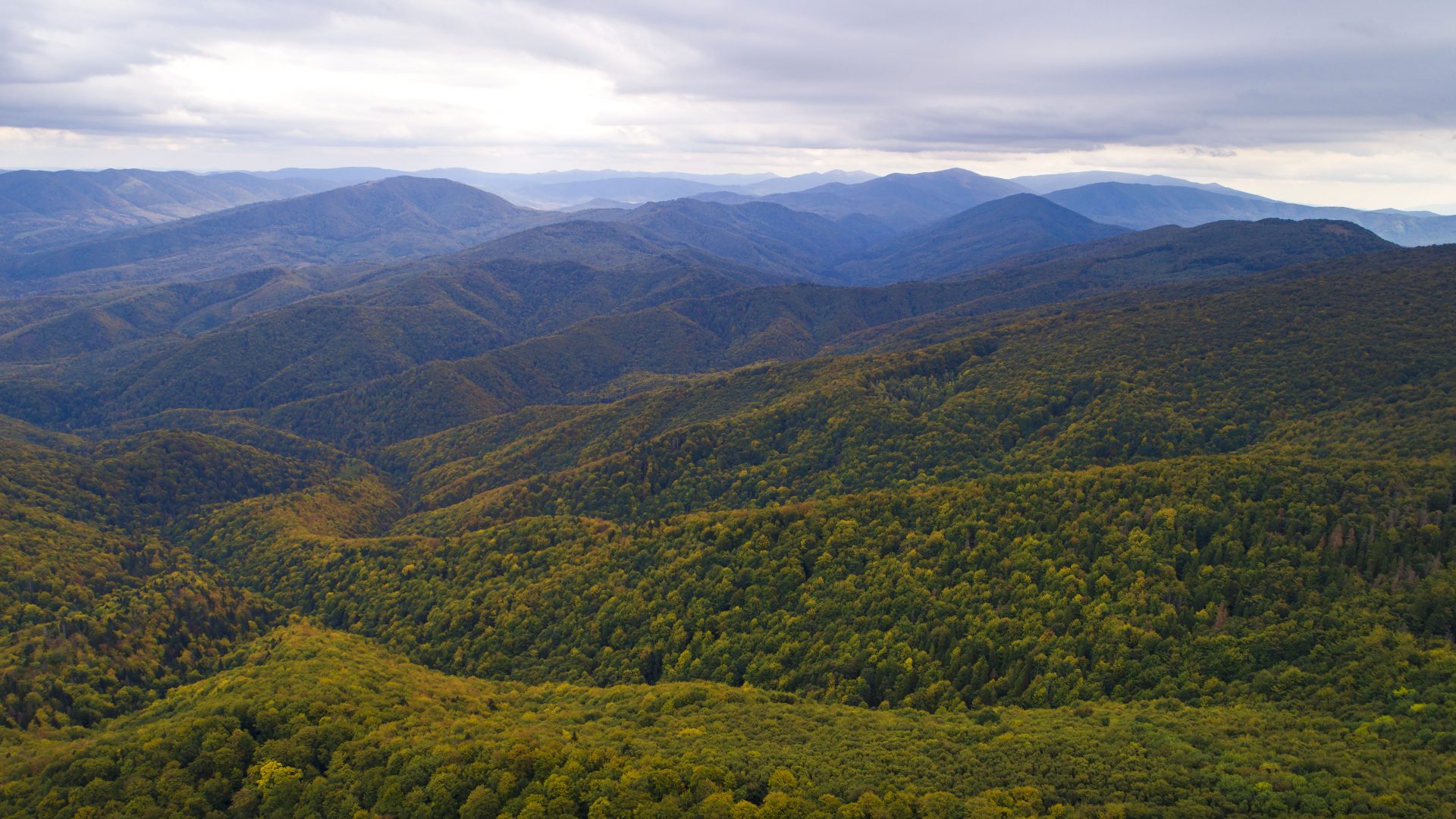
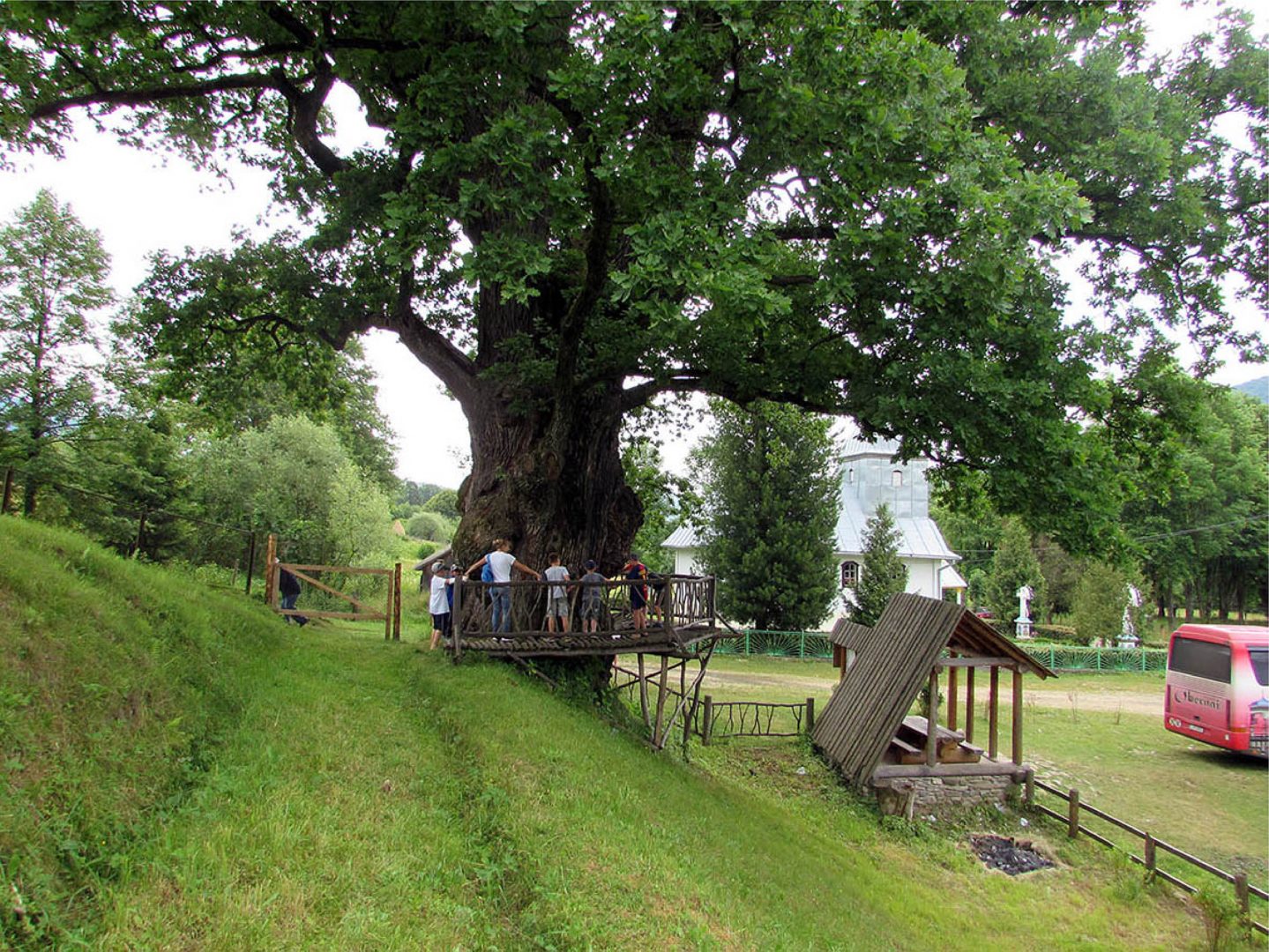
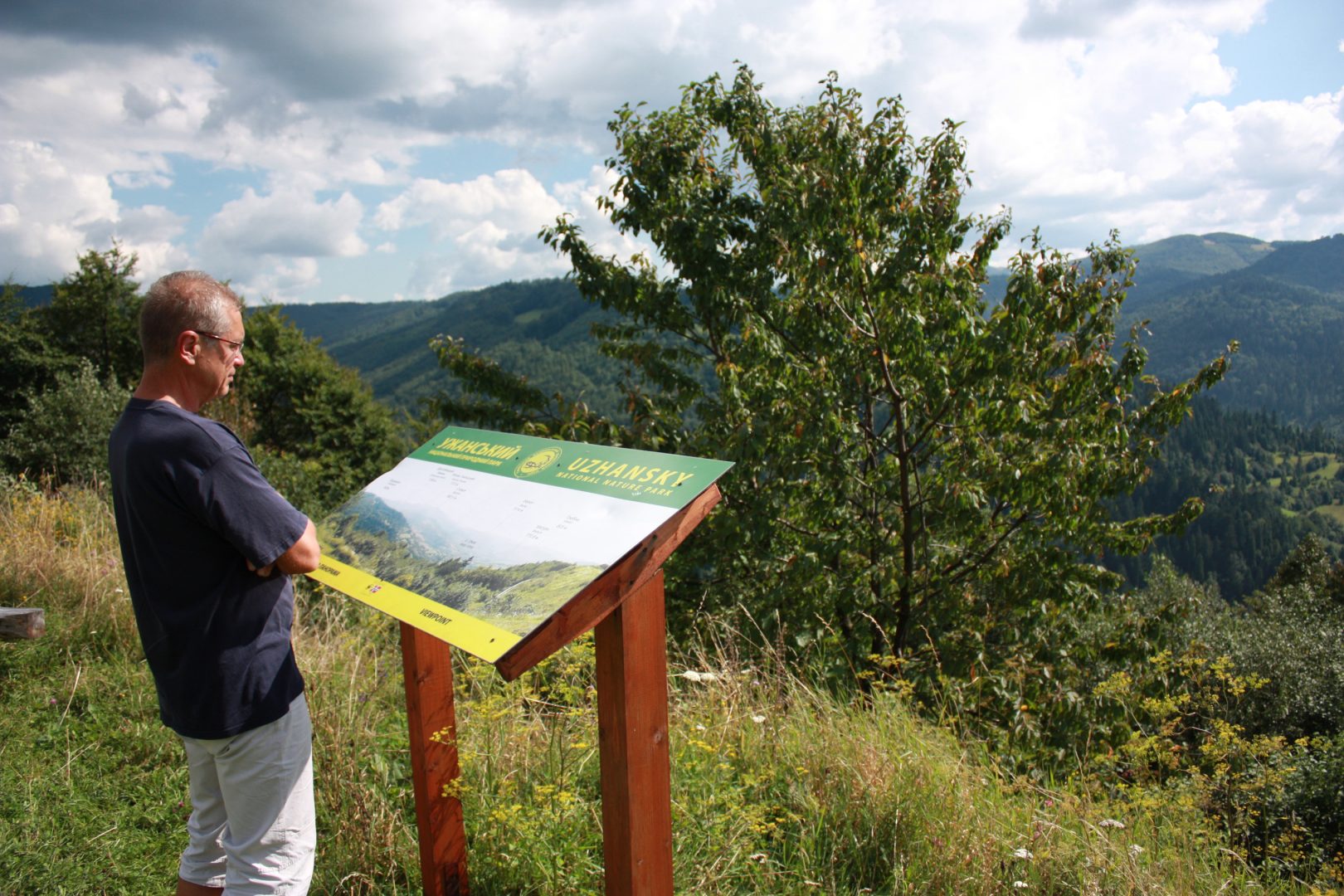
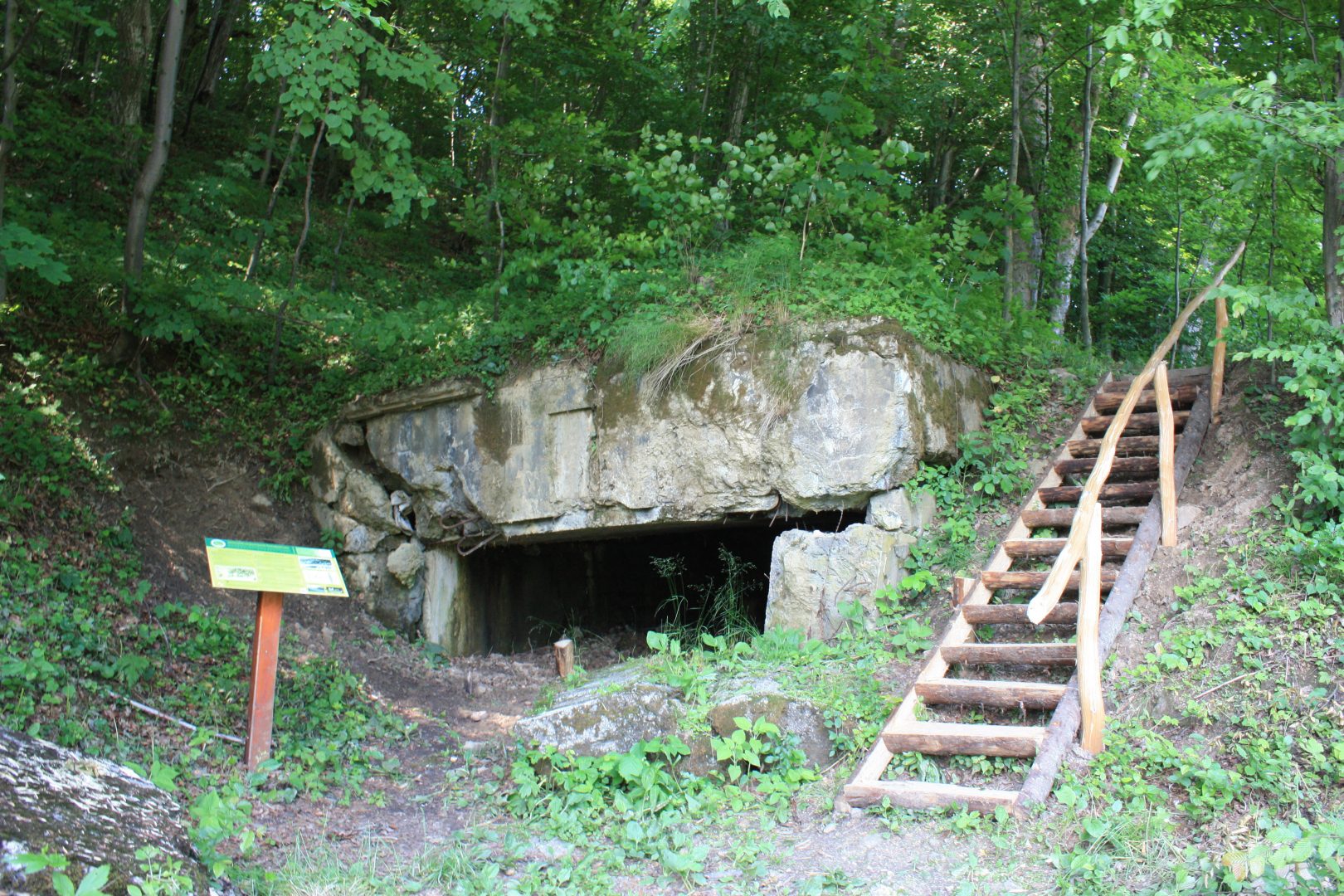
Uzhansky National Nature Park was established in 1999 and covers an area of 46,157 hectares in Zakarpattia Oblast. The park is located on the border with Poland and Slovakia, forming part of the transboundary biosphere reserve 'East Carpathians'. The picturesque upper reach of the Uzh River, from where you can walk through the Uzhok Pass with views of the Eastern Beskids. More than 3,000 hectares are covered with beech primeval forests, protected by UNESCO since 2007 as part of the 'Ancient and Primeval Beech Forests of the Carpathians and Other Regions of Europe' property. A unique feature of the park are the thousand-year-old oaks in Stuzhytsia village: Grandfather Oak (1,200 years old, circumference 9.85 m) and Champion Oak (circumference 10 m) — among the oldest trees in Ukraine. In the Chorni Mlaky area in 1866, the 'Knyahynia' meteorite weighing almost 500 kg fell — the largest meteorite to fall on Ukrainian territory. The Eastern Carpathians territory was a battlefield of World War I. From World War II, numerous fortifications of the Arpad Line remain — a defensive line of the Hungarian army. Military cemeteries and monuments are also preserved. The park is characterized by rich biodiversity: over 50 species of rare plants, including orchids and lilies. Fauna includes brown bears, lynxes, wolves, and deer. Rare bird species nest here, including white-tailed eagle and peregrine falcon. The total length of eco-routes in the park is 140 km.
Historical Significance
Uzhansky National Nature Park was established on June 3, 1999, by Presidential Decree of Ukraine to preserve the unique natural complexes of the Eastern Beskids and the upper Uzh River. The park's territory has a rich history. In the Middle Ages, an important trade route passed through the Uzhok Pass, connecting Kievan Rus with Hungary. In the 19th century, forestry developed, remnants of which can still be seen. During World War I (1914-1918), the Uzhok Pass was the site of fierce battles between Russian and Austro-Hungarian forces. Military cemeteries from that period are preserved. In 1939-1944, the Hungarian army built the 'Arpad Line' fortifications here — a system of defensive structures to protect against Soviet forces. Today, these bunkers and pillboxes are important historical monuments. In 1866, a meteorite exploded over the park's territory. The largest fragment weighing 279 kg fell in the Chorni Mlaky area between Knyahynia, Stuzhytsia, and Zbuy villages. In total, about 200 fragments fell. In 2007, the park's beech primeval forests (Stuzhytsia, Uholka sections) were inscribed on the UNESCO World Heritage List. In 2021, the park became part of the transboundary biosphere reserve 'East Carpathians' together with Poland and Slovakia.
Uzhansky National Nature Park is of exceptional importance for preserving the natural and cultural heritage of the Carpathians. It is one of Ukraine's most valuable territories in terms of biodiversity and ecological integrity. The park's beech primeval forests are part of UNESCO World Heritage and represent unique ecosystems preserved in pristine condition. The park's transboundary location at the junction of three states makes it important for international conservation cooperation. The park preserves unique natural and historical objects: thousand-year-old oaks, the site of the largest meteorite fall in Ukraine, world war fortifications. This makes the territory important not only from an ecological but also from a historical and cultural perspective.
Highlights
- ✓UNESCO beech primeval forests — over 3,000 hectares
- ✓Thousand-year-old oaks in Stuzhytsia — oldest trees in Ukraine
- ✓Knyahynia meteorite impact site (1866) — 500 kg
- ✓Arpad Line fortifications (World War II)
- ✓World War I military cemeteries
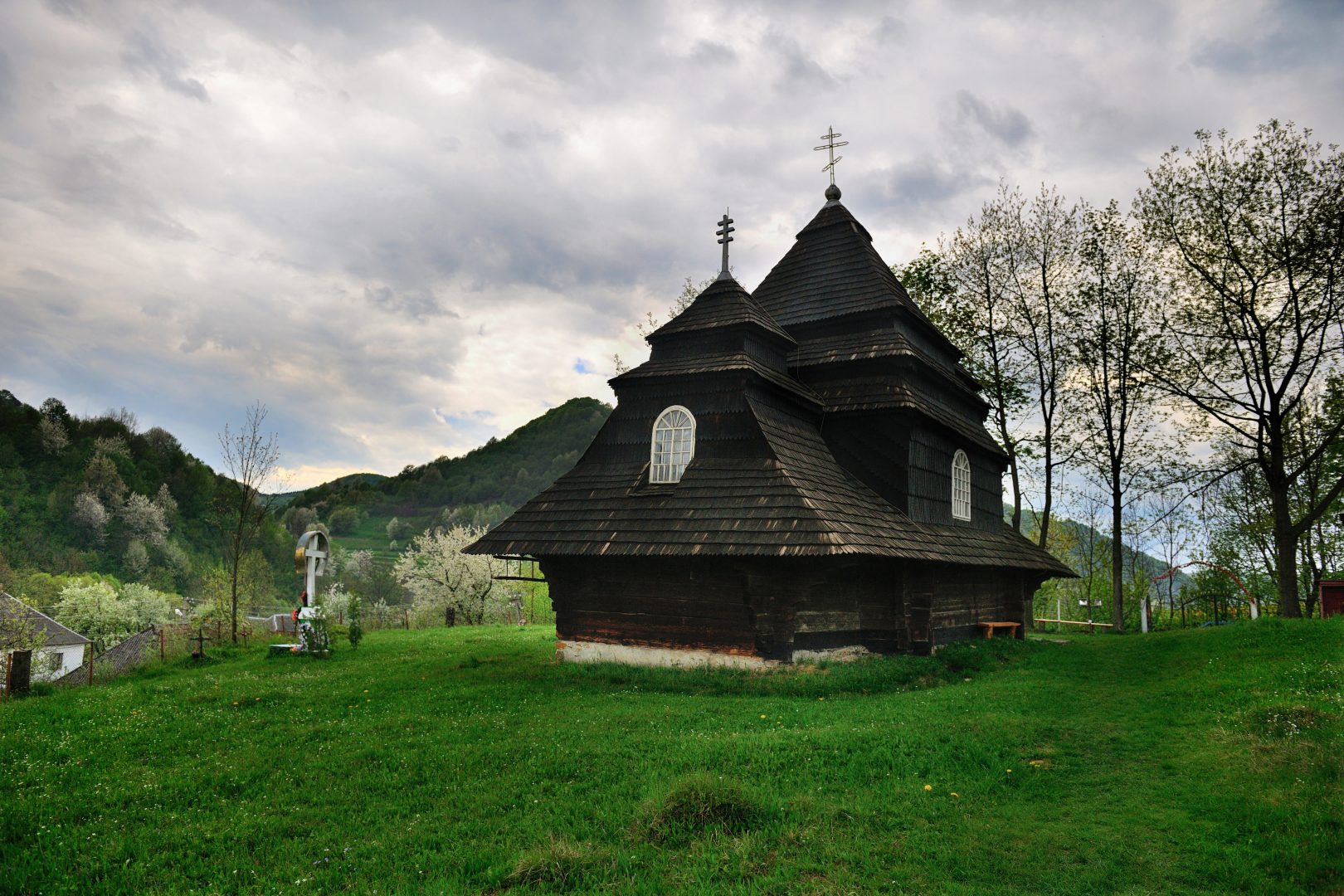
- ✓St. Michael wooden church in Uzhok (UNESCO)
- ✓Uzhok Pass with views of Eastern Beskids
- ✓140 km of tourist routes
- ✓17 eco-tourist routes
- ✓8 karst caves
- ✓11 mineral springs
- ✓Sources of Sian and Uzh rivers
Photo Gallery
Plan Your Visit
Opening Hours
Open year-round (with restrictions due to martial law)
May - October
Daily: 08:00 - 18:00
November - April
Daily: 09:00 - 17:00
Admission
Some routes in the border zone require permission from the State Border Guard Service
Contact
Getting There
🚗 By Car
From Kyiv — 850 km via Lviv and Stryi (about 12 hours). From Lviv — 230 km (about 4 hours)
🚌 Public Transport
Bus or minibus from Uzhhorod to Velykyi Bereznyi town
🅿️ Parking
Parking near park administration and main tourist sites
Facilities
Similar Heritage Sites

Askania-Nova Biosphere Reserve
Europe's oldest and largest steppe reserve with unique zoo and arboretum
Learn More →
Shatsk National Nature Park
Ukraine's deepest lake and one of Europe's largest lake groups
Learn More →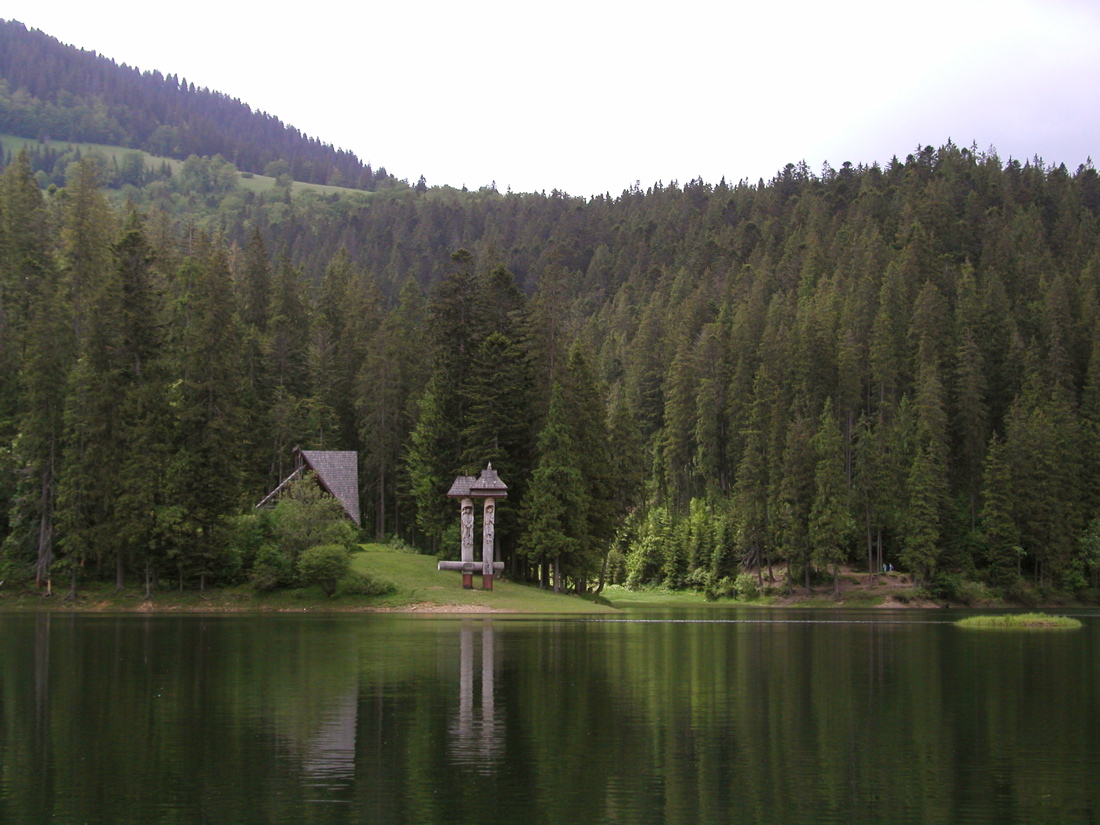
Synevyr National Nature Park
Home to Ukraine's largest mountain lake and UNESCO beech primeval forests
Learn More →